
- Afrikaans
- Albanian
- Amharic
- Arabic
- Armenian
- Azerbaijani
- Basque
- Belarusian
- Bengali
- Bosnian
- Bulgarian
- Catalan
- Cebuano
- Corsican
- Croatian
- Czech
- Danish
- Dutch
- English
- Esperanto
- Estonian
- Finnish
- French
- Frisian
- Galician
- Georgian
- German
- Greek
- Gujarati
- haitian_creole
- hausa
- hawaiian
- Hebrew
- Hindi
- Miao
- Hungarian
- Icelandic
- igbo
- Indonesian
- irish
- Italian
- Japanese
- Javanese
- Kannada
- kazakh
- Khmer
- Rwandese
- Korean
- Kurdish
- Kyrgyz
- Lao
- Latin
- Latvian
- Lithuanian
- Luxembourgish
- Macedonian
- Malgashi
- Malay
- Malayalam
- Maltese
- Maori
- Marathi
- Mongolian
- Myanmar
- Nepali
- Norwegian
- Norwegian
- Occitan
- Pashto
- Persian
- Polish
- Portuguese
- Punjabi
- Romanian
- Russian
- Samoan
- scottish-gaelic
- Serbian
- Sesotho
- Shona
- Sindhi
- Sinhala
- Slovak
- Slovenian
- Somali
- Spanish
- Sundanese
- Swahili
- Swedish
- Tagalog
- Tajik
- Tamil
- Tatar
- Telugu
- Thai
- Turkish
- Turkmen
- Ukrainian
- Urdu
- Uighur
- Uzbek
- Vietnamese
- Welsh
- Bantu
- Yiddish
- Yoruba
- Zulu

It is worthy mentioning that the raw material that we are always using is in high quality. For example, the cotton is from Xinjiang, and chemical fiber is from Sinopec. Because we both spinning and weaving by ourselves, we can control the quality of yarn and fabric, thus fabric surface looks cleaner, smooth, and no color fiber.
Polymers are widely used starting from household goods in everyday life to agricultural, industrial, medical, automobile, and cutting-edge new materials.
LOTTE Chemical supplies products stably to the market through vertical integration of raw materials and products and strives to develop new products that meet the users’ needs.
The basic petrochemicals are high value-added products used as raw materials in construction, home appliance,and textile industries. LOTTE Chemical has a vertically integrated,efficient production structure from raw materials to final products.
LOTTE Chemical manufactures high-strength and high-permeability hollow fiber membranes using its in-house developed technologies and has been expanding the market share with applications in sewage and wastewater facilities.
cotton weave types
Cotton fabric by the yard is a staple for both amateur and professional crafters worldwide, offering a blend of versatility, durability, and comfort unmatched by synthetic materials. Whether you're creating bespoke clothing, crafting home décor, or engaging in quilting projects, understanding the nuances of cotton fabric purchased by the yard is essential. This article delves into the finer details of selecting, utilizing, and maintaining cotton fabrics, providing a comprehensive guide backed by years of expertise in the textile industry. For those venturing into the world of sewing and fabric design, cotton fabric by the yard provides a user-friendly medium that's both forgiving and rewarding. Recognized for its breathability and absorbency, cotton fabric is perfect for projects intended for frequent use, or where comfort is a top priority, such as in making garments or bed linens. The tactile experience of working with cotton is distinctly different from synthetic options. It handles well on a sewing machine, offering good stitch definition and minimal fraying, a boon for precise and clean finishes. Purchasing cotton fabric by the yard requires a keen eye for quality and source. Not all cotton is created equal, and discerning shoppers should be aware of different types of cotton, such as Egyptian, Pima, and organic cotton. Egyptian cotton, noted for its long staple fibers, is typically more lustrous and softer, highly prized in high-end textile products. Pima cotton rivals Egyptian in terms of quality and comfort and is widely available across various marketplaces. Organic cotton, free from GMOs and pesticides, caters to eco-conscious consumers seeking sustainable crafting materials. Each type of cotton fabric has its unique properties and suitable applications, with choices often influenced by the project’s end use. The vibrant world of cotton prints, patterns, and colors available by the yard can be overwhelming, yet highly inspiring. From classic solids and timeless florals to modern geometric patterns, cotton offers endless possibilities for creative expression. Opting for pre-washed cotton fabric ensures that your final product remains true to size, as cotton can shrink slightly with the first wash. Professional guidance often suggests pre-washing and ironing before cutting and sewing to maintain the integrity of your design. cotton fabric by the yard The durability of cotton fabric also plays a crucial role in its popularity . Regular maintenance is relatively straightforward a gentle machine wash and air drying (or low tumble) typically suffice, preserving the fabric’s color and texture over time. However, frequent exposure to sunlight can cause fading in dyed cottons, highlighting the importance of proper storage and location considerations, especially for window treatments and outdoor fabric uses. Industry expertise underscores the significance of understanding the cotton weight and weave when selecting fabric for specific projects. Quilters often favor quilting weight cotton for its structured yet soft feel, while apparel makers might look towards lightweight cotton voile or lawn for airy summer clothes. A heavier cotton canvas could be appropriate for durable bag making. Recognizing these weights and weaves empowers the creator to choose fabric best suited to the function and aesthetic requirements of their project. The narrative around cotton’s environmental impact is evolving, with significant strides in sustainable and ethical practices within the industry. This awareness is essential for both manufacturers and consumers aiming to lower carbon footprints. Supporting Fair Trade certified suppliers and those that use eco-friendly dyes and processes are active steps toward promoting a more sustainable fabric economy. Professionals and crafting enthusiasts alike can benefit from the tactile engagement and functional possibilities that cotton fabric by the yard offers. By combining historical know-how with contemporary innovations, cotton remains a cornerstone of textiles, defined by reliability, adaptability, and timeless appeal. Armed with this comprehensive understanding, one can fully appreciate and harness the potential of cotton fabric, executing projects with skill and confidence.


-
 Cotton is from Xinjiang
management Cotton is from Xinjiang
managementBecause we both spinning and weaving by ourselves, we can control the quality of yarn and fabric, thus fabric surface looks cleaner, smooth, and no color fiber.
View Details -
 High quality products
management High quality products
managementBecause we both spinning and weaving by ourselves, we can control the quality of yarn and fabric, thus fabric surface looks cleaner, smooth, and no color fiber.
View Details -
 Poly_cotton ( TC ) Fabrics
management Poly_cotton ( TC ) Fabrics
managementBecause we both spinning and weaving by ourselves, we can control the quality of yarn and fabric, thus fabric surface looks cleaner, smooth, and no color fiber.
View Details -
 Raw material
management Raw material
managementBecause we both spinning and weaving by ourselves, we can control the quality of yarn and fabric, thus fabric surface looks cleaner, smooth, and no color fiber.
View Details -
 Suppliers
management Suppliers
managementBecause we both spinning and weaving by ourselves, we can control the quality of yarn and fabric, thus fabric surface looks cleaner, smooth, and no color fiber.
View Details
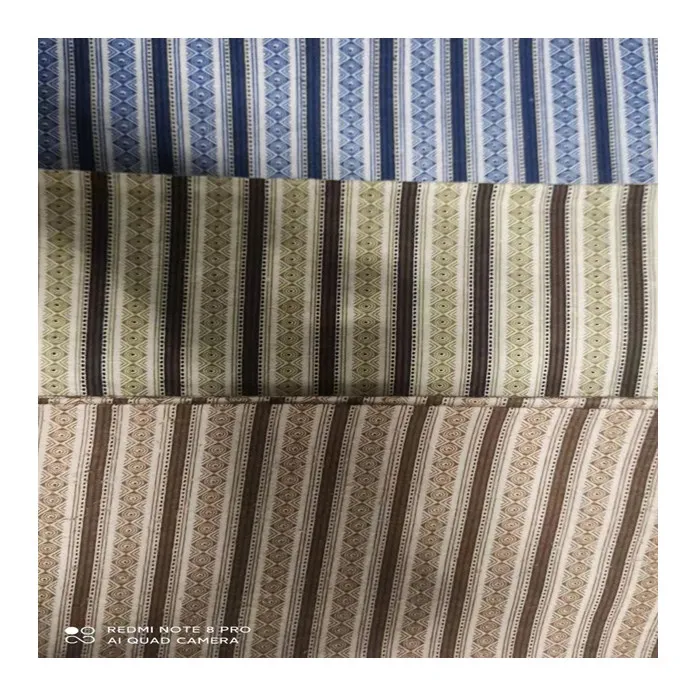
The CVC Printed Flannel Fabric 120gsm is a versatile textile solution designed to meet the demands of both domestic and international markets. Manufactured by Hebei Bosswin Textile Technology Co., Ltd , this fabric combines the softness of cotton with the durability of synthetic fibers, making it ideal for a wide range of applications. Whether used for baby clothing, home textiles, or industrial c
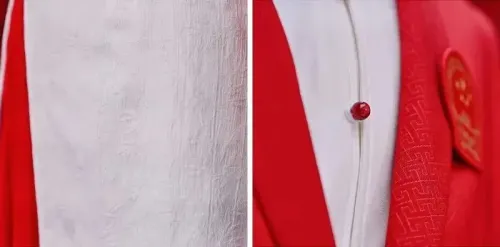
When it comes to selecting the right outdoor fabric, the decision-making process can feel quite overwhelming given the vast variety of options available. Outdoor fabrics are crafted to withstand environmental elements like sun, rain, and wind, making them essential for anyone looking to enhance their outdoor spaces' aesthetic and durability. Here’s a comprehensive look based on true experience, ex
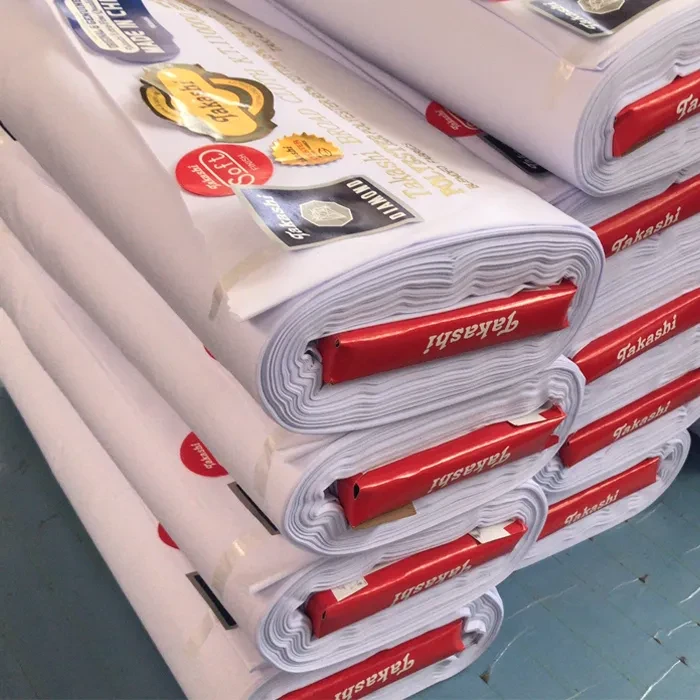
Crepe satin is a luxurious fabric cherished by designers and fashion enthusiasts alike. Known for its distinct texture and elegant drape, this material has carved a niche in the realm of sophisticated attire. The blend of crepe and satin combines the best of both worlds, offering a matte, slightly crinkled surface typical of crepe, alongside the smooth, glossy finish of satin. This unique combinat